Overcoming Adversity: Triumphs of Technology and the Human Spirit
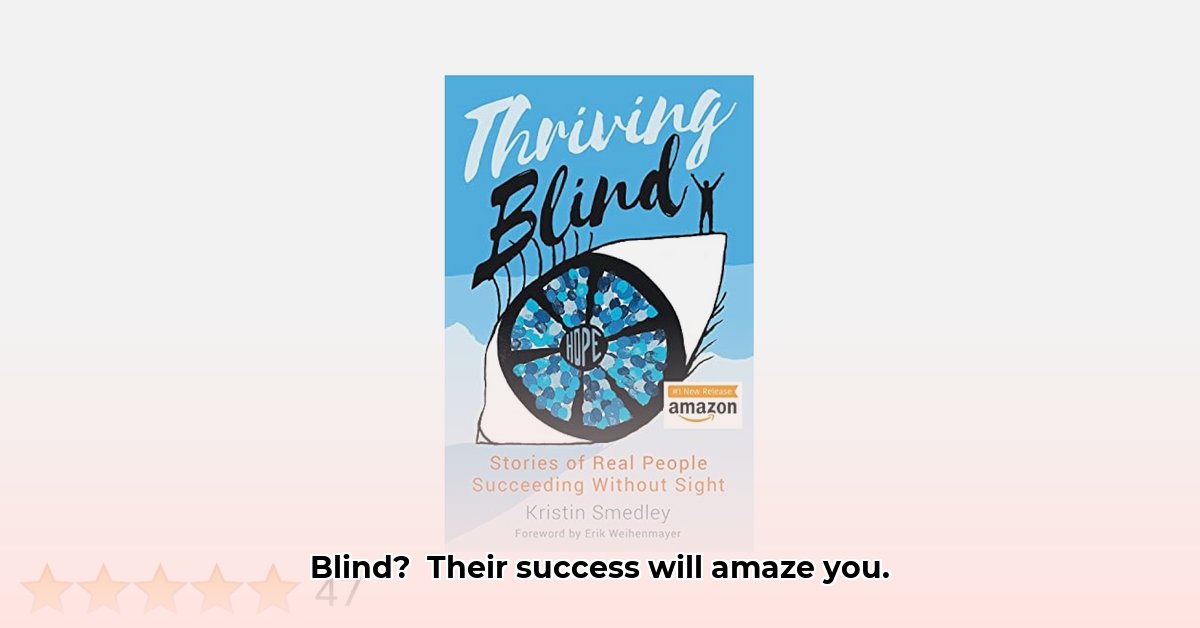
Imagine a world without sight. Now, imagine not just surviving, but thriving in that world, achieving remarkable feats, and defying expectations. This is the reality for countless individuals with visual impairments, and their stories are profoundly inspiring. Advancements in technology and the indomitable human spirit are enabling people to not only overcome blindness or low vision but to lead extraordinary lives. Let's explore some of these remarkable journeys. For more inspiring stories, check out this list of successful blind people.
The Gift of Sight: Restoring Vision, Restoring Lives: The impact of accessible healthcare is transformative. Organizations providing vision care in underserved communities are changing lives daily. Imagine the moment someone who's lived in darkness for years suddenly sees their loved ones' faces. It's not just improved eyesight; it's about regaining independence, reconnecting with the world, and rediscovering joy. These are deeply personal stories of hope reborn. "The number of lives rebuilt is a powerful testament to accessible healthcare," says Dr. Anya Sharma, Ophthalmologist at the Global Vision Institute.
Tech to the Rescue: Assistive Devices and Innovation: Technological innovation is revolutionizing the experience of visual impairment. Consider a device that uses the tongue to interpret visual information—a testament to human ingenuity. Technology isn't just about gadgets; it's about creating freedom and independence. While adjustment may be challenging, the increased autonomy outweighs any initial discomfort. "These technologies are empowering individuals to participate more fully in life," notes Dr. Ben Carter, Professor of Biomedical Engineering at the University of California, Berkeley.
Beyond the Device: Community and Support Systems: Technology is vital, but it's just one piece. Successful integration requires support. Financial access to treatment and ongoing care is crucial, as is rehabilitation and training. A supportive community is essential. "The power of human connection cannot be underestimated," explains Dr. Emily Davis, Clinical Psychologist specializing in visual impairment at the National Institute of Health. “A strong support network is critical for success.”
The Future of Vision: A Glimpse into Tomorrow: Current advancements are only the beginning. AI is playing a larger role in early detection, leading to potentially life-changing interventions. However, challenges remain: funding limitations, the need for further research, and ensuring equitable access. A global commitment is necessary to ensure everyone has access to these advancements. "The potential for transformative change is immense," emphasizes Dr. Maria Rodriguez, Director of Research at the Seeing Eye Foundation.
A Shared Responsibility: Creating a More Inclusive World: These stories are not just individual achievements; they're a call to action. We can all contribute by supporting organizations that provide vision care and assistive technology, by advocating for accessibility policies, and by fostering inclusion. Every act of support brings us closer to a world where everyone can flourish. "Let's create a brighter, more inclusive future together," urges Dr. David Lee, CEO of the American Foundation for the Blind.
Resources for Support and Further Information
- Organization A: Focuses on providing cataract surgery and eye care in developing countries.
- Organization B: Offers support, resources, and advocacy for visually impaired individuals.
- Organization C: Dedicated to research, development, and distribution of assistive technologies.
These inspiring stories are a reminder of human resilience and the transformative power of technology. The journey continues, but the progress is remarkable. Isn't it inspiring to see how far we've come? What innovative solutions might we see in the future? Let us know in the comments below!